Essential Scaffolding Safety Practices Every Construction Site Must Follow
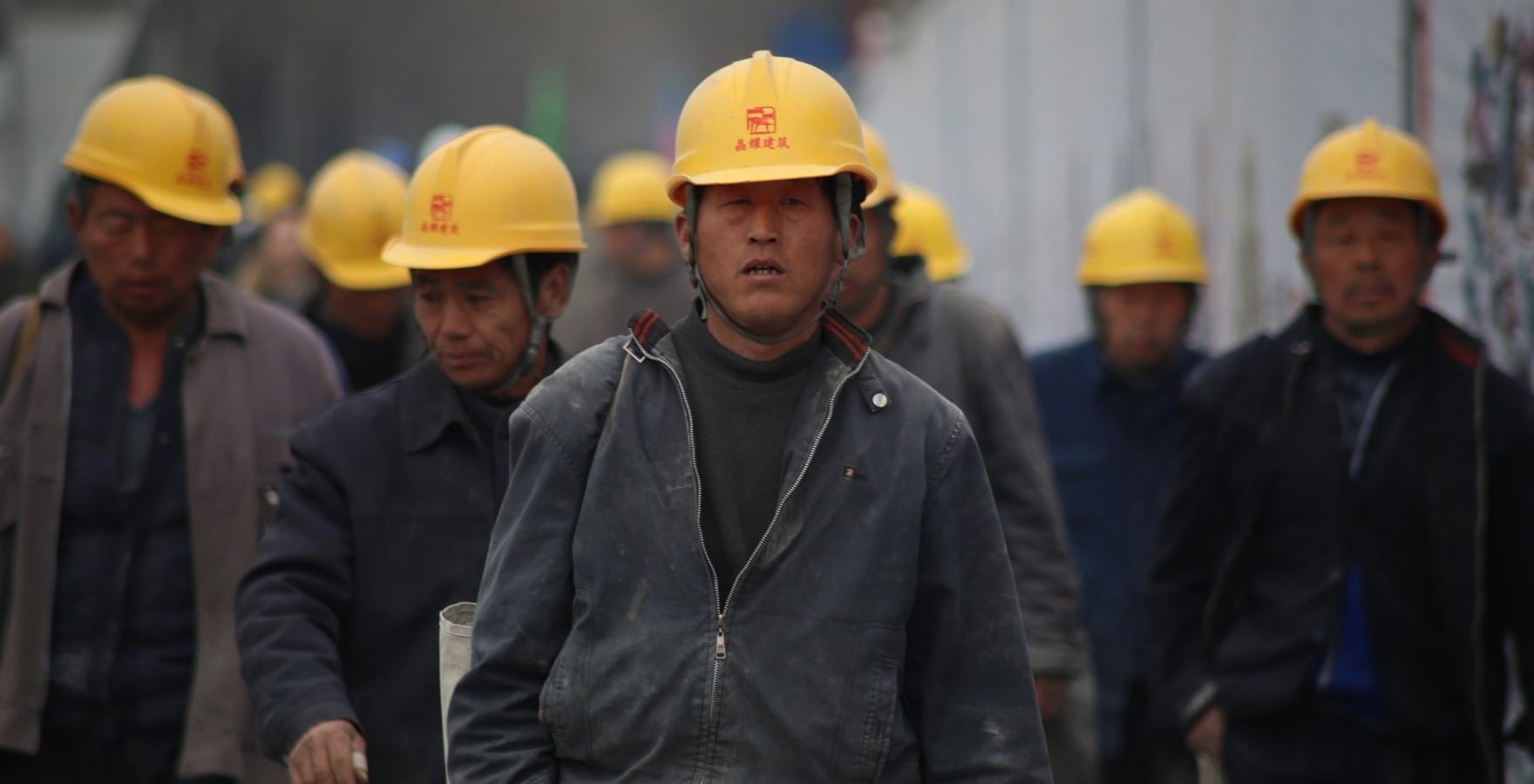
Working at potentially hazardous heights is one of the realities of the modern construction industry. From multi-story residential towers in Ahmedabad to massive industrial warehouses across Gujarat, India, the safety of the workforce directly relies on the integrity and proper usage of Scaffolding Systems.
Unfortunately, improper scaffolding erection and sub-par components are major contributors to construction site accidents. However, with the right combination of high-quality products and disciplined protocols, site managers can mitigate these risks effectively.
1. Choose the Right High-Grade Scaffolding Components
Before the first pole goes up, it is crucial to guarantee that your scaffolding system is engineered to handle the expected load. There is absolutely no room for budget-cutting on inferior metals or rusted joints.
When sourcing your scaffolding, work directly with dedicated scaffolding manufacturers in Gujarat like Padmavati Engineering. A heavy-duty cuplock scaffolding standard or ledger must be fabricated from premium steel. Make sure the scaffolding tubes, base plates, and U-jacks adhere strictly to domestic and international load-bearing standards.
2. Never Mix and Match Systems
A dangerous habit on rapidly assembled sites is trying to save money by mixing components from different manufacturers or even different scaffolding types (e.g., mixing a standard cuplock node with an H-frame cross-brace where it is not intended). Structural mechanics depend on precise interlocking tolerances. Always secure an entire integrated scaffolding and formwork system from a single reputable supplier to avoid catastrophic failures.
3. The Importance of Base Stability
The entire weight of a scaffold is transferred down to the ground. If the ground is uneven, soft, or muddy—frequent challenges during the Indian monsoon season—the scaffold is inherently unstable. Utilizing high-quality robust steel scaffolding base plates layered over heavy mudsills is a non-negotiable step to disperse the massive vertical load evenly and safely.
4. Rigid and Routine Site Inspections
Scaffolding structures vibrate constantly under the weight of movement and heavy materials. Because of this, it is not uncommon for tie rods, couplers, and formwork fittings to loosen slightly over days of heavy use. Competent site managers must run strict, documented inspections every shift. They need to thoroughly assess:
- Ensuring all scaffolding brackets and scaffolding hooks are fully locked.
- Confirming all ties holding the scaffold to the main structure are intact.
- Replacing any guardrails or scaffolding platforms that show fatigue, significant bent spots, or damage.
5. Train Your Workforce on Scaffold Hazards
You can provide the most over-engineered formwork support system available, but if the workforce overloads the scaffolding platforms with excess cement blocks or removes vital cross-braces to facilitate easier access, safety collapses. Rigorous daily toolbox talks concerning scaffold weight limits and safety perimeters are critical to achieving zero-accident targets.
Secure Your Site with High-Performance Scaffolding
Based in Ahmedabad, Gujarat, Padmavati Engineering is your trusted domestic manufacturer for high-tensile scaffolding systems, scaffolding fittings, and premium aluminium formwork.
Request Pricing for Scaffolding →